The 6 Foods That Repair Your Gut Lining — And the 4 That Destroy It Overnight
Your gut lining replaces itself every three to five days. That’s one of the fastest cell turnover rates in the human body. It means that what you eat today directly impacts the integrity of your gut lining by the end of the week — for better or worse.
Most people focus on what to avoid. But the research increasingly shows that what you add matters just as much. Certain foods provide the specific amino acids, minerals, and compounds your gut lining needs to rebuild itself. Others actively tear it down.
The 6 Foods That Repair
Bone broth is the most concentrated natural source of collagen, gelatin, glycine, and proline — the building blocks your intestinal cells need to repair tight junctions. A daily cup during active gut repair provides the raw materials most diets lack entirely. The gelatin coats the intestinal lining and allows damaged areas to heal underneath.
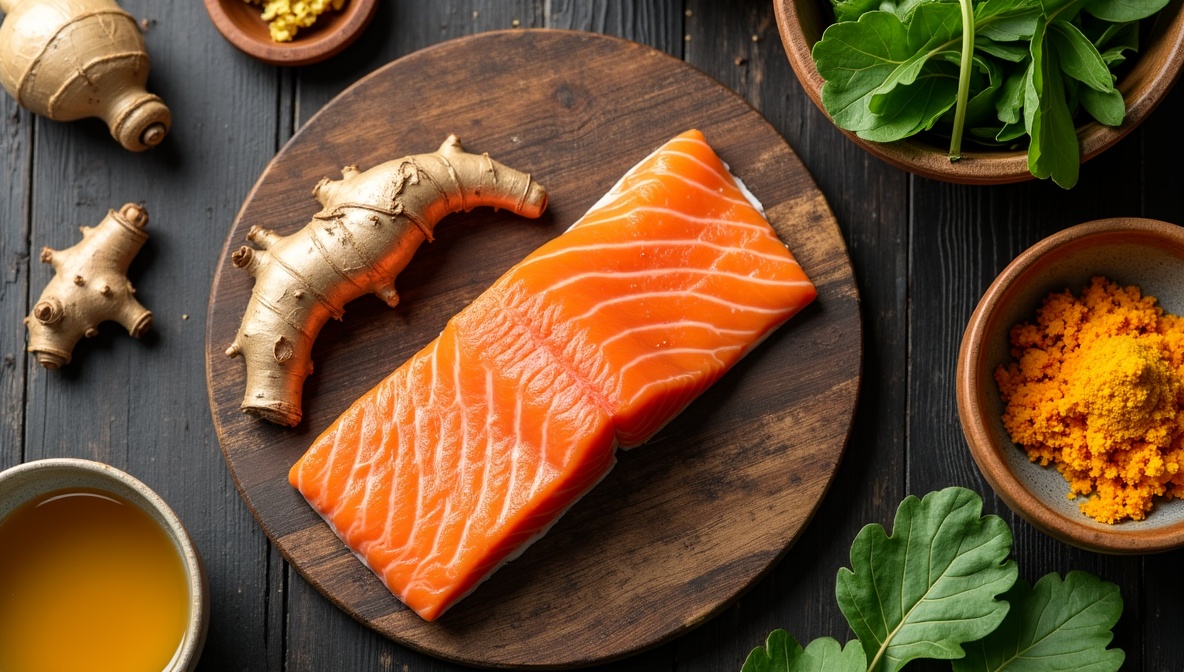
Wild-caught salmon delivers EPA and DHA omega-3 fatty acids that directly reduce intestinal inflammation. A 2022 study found that participants consuming three servings of fatty fish per week showed measurable improvements in gut barrier markers within six weeks. Sardines and mackerel work equally well.
Ginger root is both anti-inflammatory and prokinetic, meaning it calms inflammation while simultaneously improving gut motility. Fresh ginger in meals or steeped as tea at 500mg-1g daily is effective. It’s also one of the safest gut-active foods with virtually no contraindications.
Fermented vegetables like sauerkraut and kimchi provide naturally occurring probiotics in a food matrix that survives stomach acid better than most supplements. The key is unpasteurized, refrigerated versions — shelf-stable varieties have been heat-treated and contain no live cultures.
Sweet potatoes provide soluble fiber that feeds beneficial bacteria while being gentle on a compromised gut. Unlike raw vegetables and high-fiber grains that can aggravate an inflamed lining, sweet potatoes are easy to digest and provide sustained energy without blood sugar spikes.
Ghee (clarified butter) contains butyrate, a short-chain fatty acid that is the primary energy source for colonocytes — the cells lining your colon. Butyrate has been shown to strengthen tight junctions and reduce intestinal permeability. It’s also dairy-free (the milk solids have been removed), making it safe for most people with dairy sensitivities.
The 4 That Destroy
Refined sugar is the single most damaging food for gut lining integrity. It feeds pathogenic bacteria and yeast (particularly Candida), promotes dysbiosis, and directly increases intestinal permeability. Reducing added sugar is often the highest-impact single change you can make.
Processed seed oils — soybean, corn, canola, and sunflower oil — are high in omega-6 fatty acids that promote inflammation when consumed in excess. The standard American diet has an omega-6 to omega-3 ratio of roughly 15:1. The optimal ratio is closer to 2:1.
Alcohol directly increases intestinal permeability within hours of consumption. Even moderate drinking disrupts the gut microbiome and slows lining repair. During active gut healing, eliminating alcohol entirely produces the fastest results.
Ultra-processed foods containing emulsifiers (polysorbate 80, carboxymethylcellulose) have been shown in multiple studies to directly damage the mucus layer that protects the gut lining. These additives are in nearly every packaged food on grocery shelves.
Find Out If You Have Gut Lock
Take the free 60-second assessment and get your personalized Gut Lock Score.
Take the Free Assessment →This article is for informational purposes only and does not constitute medical advice. Always consult your healthcare provider before making changes to your diet or supplement routine.