Your Gut Has Its Own Clock — And It's Probably Out of Sync
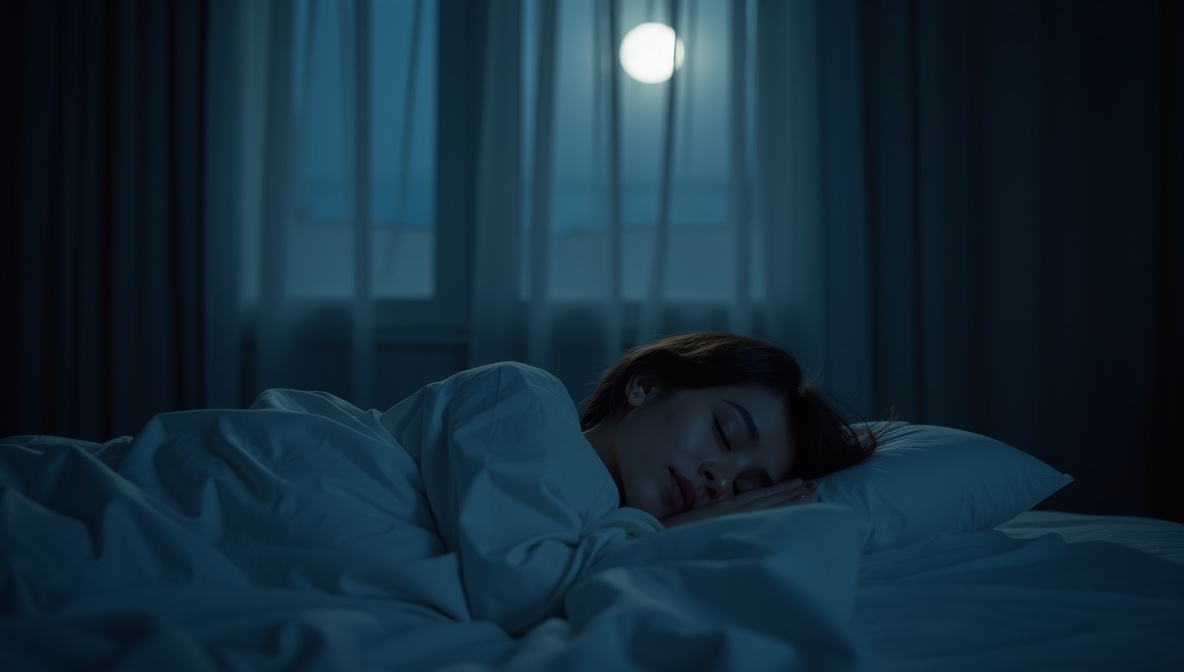
You have a clock in your brain (the suprachiasmatic nucleus) that controls your sleep-wake cycle. But you also have a clock in your gut — a circadian rhythm driven by your gut microbiome that operates semi-independently from your brain clock. When these two clocks are in sync, everything works smoothly: you digest efficiently during the day, repair overnight, and wake feeling restored. When they’re out of sync, the consequences affect every system in your body.
How the Gut Clock Works
Different bacterial species in your gut are active at different times. Daytime-dominant species are involved in nutrient absorption and energy production. Nighttime-dominant species focus on immune regulation and lining repair. This microbial rhythm is influenced by when you eat, what you eat, your light exposure, and your stress levels.
When you eat irregularly, consume processed foods, experience chronic stress, or expose yourself to blue light at night, the gut clock shifts. It can become desynchronized from your brain clock by several hours — meaning your gut is trying to digest when your brain says it’s repair time, or trying to repair when your brain says it’s time for activity.
Signs of Desynchronization
Bloating that’s worse in the evening (your gut is still in digest mode when it should be transitioning to repair mode). Waking up with a heavy, unsettled stomach (food from a late dinner is still being processed during what should be the repair window). Afternoon fatigue (the nighttime repair was incomplete because the gut was still digesting). Irregular bowel movements (the motility pattern is disrupted by conflicting clock signals).
Resynchronizing
The most effective resynchronization strategies are remarkably simple: eat at consistent times every day (within a 30-minute window), finish your last meal 3+ hours before bed, get natural light exposure within 30 minutes of waking, and reduce blue light after sunset. Within one to two weeks of consistent timing, the gut clock tends to realign with the brain clock. The result is improved digestion, better sleep, and more consistent energy throughout the day.
Find Out If You Have Gut Lock
Take the free 60-second assessment and get your personalized Gut Lock Score.
Take the Free Assessment →This article is for informational purposes only and does not constitute medical advice. Always consult your healthcare provider before making changes to your diet or supplement routine.