Why 73% of Probiotic Users See No Results — And What Research Says to Do Instead
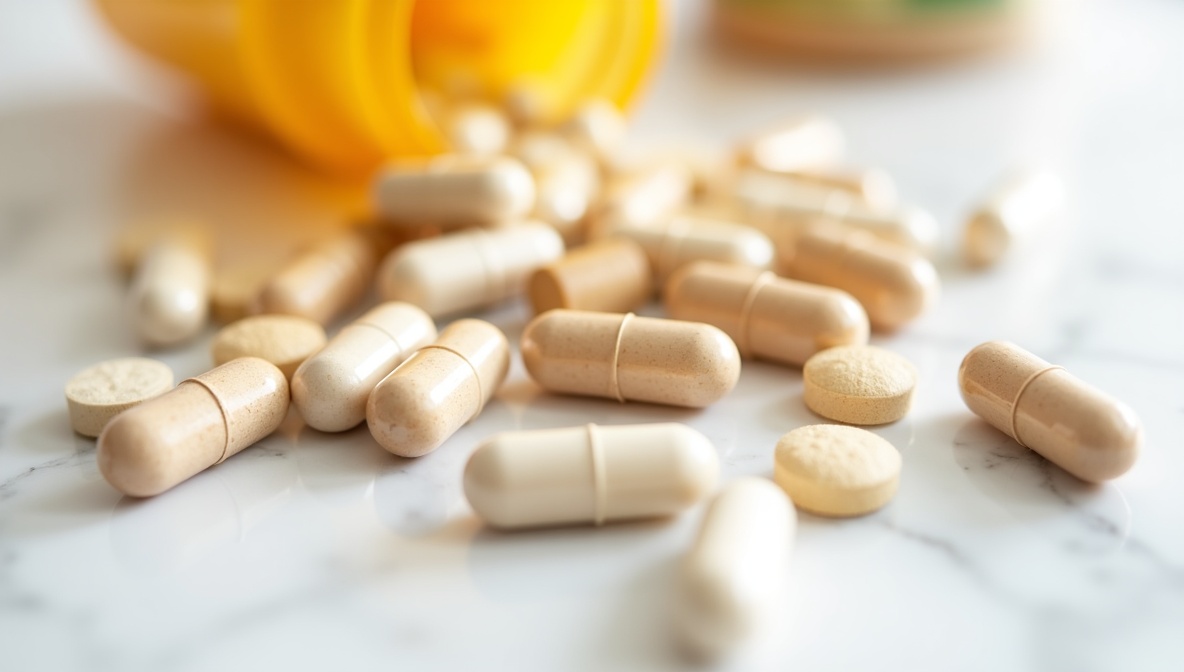
Probiotics are a $77 billion global market. They’re the most popular gut health supplement in the world. And according to consumer surveys, nearly three out of four users report no meaningful improvement in their symptoms.
This doesn’t mean probiotics don’t work. The clinical evidence for probiotics is actually quite strong — when they’re used correctly. The problem is that most people are taking them in a context where they can’t work: a compromised gut lining that won’t allow the bacteria to colonize.
The Colonization Problem
For probiotics to work, beneficial bacteria need to adhere to the intestinal wall, multiply, and establish colonies that outcompete harmful bacteria. This process requires an intact mucus layer and functional tight junctions between epithelial cells. When the gut lining is damaged — which is common in people experiencing the very symptoms that drive them to take probiotics — the surface that bacteria need to colonize is compromised.
Imagine planting seeds in a parking lot. The seeds are perfectly viable. The soil is the problem. That’s what happens when you take probiotics into a gut with compromised lining integrity.
What the Research Actually Shows
A 2023 meta-analysis of 26 clinical trials involving 1,900 participants found that probiotics do improve gut barrier markers — but the improvements are significantly greater when gut lining repair is addressed simultaneously. Combining probiotics with gut lining repair compounds like L-glutamine and zinc carnosine produced results that neither approach achieved alone.
The implication is clear: probiotics should be step two, not step one. Repair the surface first, then introduce the bacteria. This sequence produces dramatically better outcomes than probiotics alone.
The Protocol That Works
The emerging approach supported by research follows a clear sequence. First, reduce inflammatory load by removing trigger foods that are actively damaging the lining. Second, repair the gut lining with targeted compounds (L-glutamine, zinc carnosine, DGL licorice root). Third, introduce probiotics once the lining can support colonization. Fourth, maintain with ongoing probiotic use plus a gut-supportive diet.
Most people skip steps one and two and jump straight to the probiotic. That’s why it doesn’t work for them. It’s not the probiotic’s fault. It’s the sequence.
Find Out If You Have Gut Lock
Take the free 60-second assessment and get your personalized Gut Lock Score.
Take the Free Assessment →This article is for informational purposes only and does not constitute medical advice. Always consult your healthcare provider before making changes to your diet or supplement routine.